
Picture this: you sink into a warm, bubbling oasis that was installed without a single leak, a cracked floor, or a surprise bill that makes you wince. That’s the dream, and it’s within reach—if you dodge the rookie errors most homeowners stumble into.
Most people think a walk‑in tub is just a bigger bathtub, but the truth is it’s a mini‑renovation that touches plumbing, flooring, and even the electrical layout. Miss one detail and you’re looking at water damage, costly re‑work, or a tub that simply won’t hold its weight.
Anderson isn’t a one‑size‑fits‑all market. The humidity, the older homes, and the local building codes add their own twists. Ignoring those quirks can turn a sleek upgrade into a headache that drags on for weeks.
Ready to sidestep the pitfalls and get a flawless install the first time? Keep reading and we’ll walk you through the exact steps you need to take.
Understanding Anderson Building Codes and Permit Requirements
Before you even lift a tile, you’ve got to check the rulebook that Anderson’s city hall hands out. The local code isn’t a suggestion; it’s the law that protects your home from future headaches. Missing a permit can mean a failed inspection, a forced teardown, or a nasty fine that eats into your budget.
What the Anderson code actually demands
- Permit application – Fill out the standard form at the Planning & Development office. Bring a detailed layout of the tub, plumbing, and any electrical components.
- Structural review – The city will verify that your floor can bear the tub’s weight plus water. They’ll ask for joist calculations or a contractor’s stamped report.
- Electrical clearance – If you’re adding hydro‑jet jets or LED lighting, a licensed electrician must sign off on the plan.
Timing matters, too. Permit processing in Anderson usually takes 7‑10 business days, but rush fees can shave that down to three. Plan ahead, schedule the paperwork early, and you’ll avoid the dreaded “stop work” notice that stalls the whole project.
Evaluating Structural Support and Floor Reinforcement Needs
Before the tub even touches the floor, you’ve got to know if that floor can bear the weight. A standard walk‑in tub plus water can tip the scales at 600 lb or more. One miscalculation and you’re looking at sagging tiles or a cracked joist.
Know Your Floor’s Load Capacity
Start with a simple test: locate the joists, measure their spacing, and check the lumber size. Most 2×8 or 2×10 joists spaced 16 in. on center will hold a tub, but older homes in Anderson often have 2×6s or uneven spacing.
- Measure joist depth – deeper joists mean more strength.
- Check for signs of rot or termite damage – any weakness must be fixed first.
- Confirm the subfloor is solid plywood or OSB, not just particle board.
If anything looks off, reinforce now. Adding sister joists or a cross‑beam under the tub area spreads the load like a bridge. It’s a small investment that saves you from a costly floor replacement later.
Reinforcement Options That Work
For most Anderson homes, a steel-reinforced plywood panel under the tub does the trick. It creates a level, waterproof base and adds rigidity. Another favorite is a glue‑and‑screw method: attach ½‑in. plywood over the existing subfloor, then screw in 2×4 blocking between joists.
Don’t forget to level the surface. Even a half‑inch dip will cause the tub to rock, leading to leaks and wear. Use a laser level, shim where needed, and double‑check before the tub sits down.

Planning Plumbing, Drainage, and Water Supply Connections
Map the Existing System
Before you cut anything, trace every pipe that feeds the current tub. Know where the shut‑off valves sit and label them – you’ll thank yourself when the water’s off.
Grab a simple sketch and mark:
- Supply lines (hot and cold)
- Drain pipe location
- Vent stack entry point
Design the Drain Path
The new walk‑in tub needs a drain that slopes at least ¼‑inch per foot toward the main stack. A missed slope equals standing water and a soggy floor.
Key items to verify:
- Trap size matches the tub’s outlet
- Vent pipe is sized for the increased flow
- All connections use PVC or ABS rated for hot water
Secure the Supply Lines
Water pressure in Anderson can swing with the seasons, so install a pressure‑regulating valve right at the tub. This protects the internal jets and prevents leaks.
Don’t forget:
- Flexible braided hoses for easy alignment
- Shut‑off ball valves for quick service
- Thermostatic mixing valve to keep water at a safe temperature
Ensuring Electrical Safety for Hydrotherapy and Lighting Features
GFCI Protection and Dedicated Circuits
Every hydro‑therapy tub needs a ground‑fault circuit interrupter (GFCI) at the breaker. It’s the first line of defense against stray current.
- Install a 20‑amp GFCI breaker dedicated solely to the tub.
- Run a separate conduit from the panel to keep the tub’s power isolated.
- Label the circuit clearly—future electricians will thank you.
Wiring the Jets and Controls
The jets aren’t just plumbing; they’re powered devices that demand careful planning. Use low‑voltage wiring where the manufacturer specifies.
- Choose UL‑listed cable rated for wet locations.
- Route wires behind the wall studs, not across the floor.
- Secure connections with waterproof connectors and seal every entry point.
Lighting and Switches
Ambient lighting adds luxury, but it must stay dry. Opt for fixtures with an IP65 rating or better.
- Mount lights on the wall, not the ceiling, to avoid condensation pools.
- Place switches outside the tub’s splash zone—ideally on the same wall as the tub’s control panel.
- Use a dual‑switch setup: one for the tub’s lights, one for the hydro‑therapy system.

Choosing Moisture‑Resistant Materials and Finishes for Humid Climates
Wall and Floor Coverings That Fight the Humidity
In Anderson’s muggy air, a regular tile can soak up moisture like a sponge. Opt for porcelain or vitrified tiles—they’re dense, non‑porous, and won’t let water seep through.
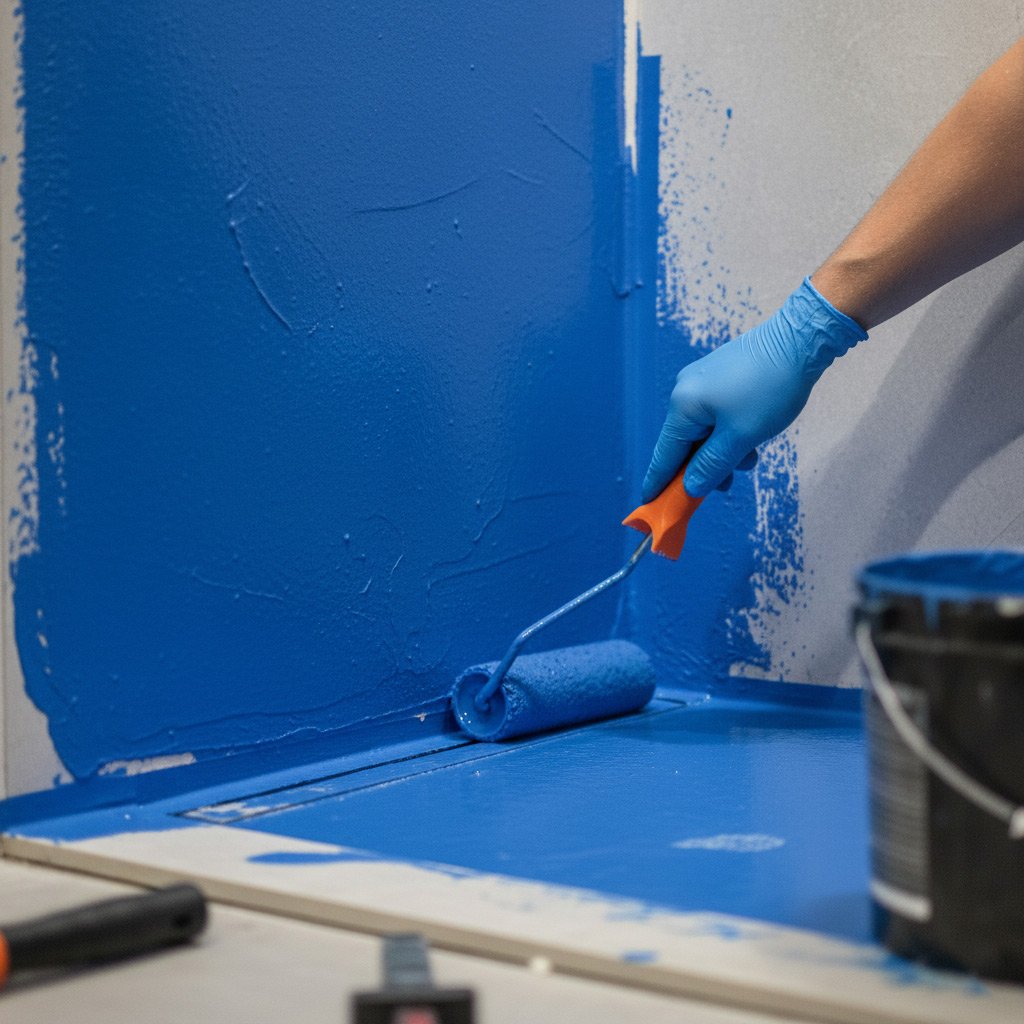
For the floor, consider a water‑proof membrane beneath the tile. It acts like a raincoat for your subfloor, keeping any stray drops from ruining the joists.
- Use a ¼‑inch crack‑resistant backer board.
- Seal all grout lines with a penetrating sealer every 6‑12 months.
- Choose slip‑resistant finishes to avoid accidents when the tub is in use.
Cabinetry, Trim, and Fixtures That Stay Dry
Wooden cabinets look great, but in a steamy bathroom they can warp. Go for marine‑grade plywood or MDF with a moisture‑resistant coating.
Trim should be PVC or composite. It won’t swell, and it’s easy to clean. When you need a decorative touch, paint it with a high‑quality, mildew‑blocking enamel.
- Install stainless‑steel or brushed nickel hardware—both resist corrosion.
- Apply a clear, water‑proof sealant to any exposed wood.
- Use silicone caulk at every joint; it’s the cheap hero that stops leaks.
Finishing Touches That Keep the Air Fresh
Ventilation is the unsung hero. A properly sized exhaust fan will pull humid air out before it settles on surfaces.
Pair the fan with a moisture‑sensing switch. When the tub fills, the fan kicks on automatically, drying the room in minutes.
Case Study: Seamless Walk‑In Tub Installation in a Historic Anderson Home
The Challenge
When the Miller family bought their 1920s bungalow, they fell in love with the original hardwood floors and crown molding. They also wanted a modern walk‑in tub that wouldn’t wreck the character of the house.
Old joists, a cramped bathroom, and a vintage plumbing system made the project feel like a puzzle with missing pieces.
The Solution
Our crew started with a thorough inspection, then mapped out a plan that respected the home’s heritage while meeting today’s safety standards.
- Reinforced the floor with sister joists—kept the original beams visible.
- Installed a compact, wall‑mounted water supply manifold to fit the tight space.
- Used a low‑profile, waterproof backer board that adhered to the historic flooring without raising it.
All electrical work was routed through a dedicated conduit, keeping the new hydro‑jet system separate from the old wiring.
The Result
The Miller’s new tub sits flush with the restored hardwood, no cracks, no leaks, and the bathroom feels larger thanks to the clever layout.
They saved about 15% on labor by avoiding a full floor tear‑out, and the project passed Anderson’s building inspection on the first try.
Final Words
Before you swing that wrench, lock in a licensed contractor who knows Anderson’s codebook inside out. A seasoned pro will spot a weak joist or a hidden pipe before you even break ground, saving you from a costly redo.
Quick Checklist Before You Start
- Verify permits are approved and posted.
- Confirm floor joists meet the minimum load rating for your tub model.
- Map out all water, drain, and electrical routes; label each line.
- Choose moisture‑resistant backer board and sealants rated for high humidity.
- Schedule a final inspection to lock in compliance.
Need a partner who lives and breathes Walk In Tubs installations in Anderson? Our team blends code knowledge with hands‑on craftsmanship, so you can step into your new tub without a second‑guess.
People Also Ask
What permits are required for installing a walk‑in tub in Anderson, SC?
You must obtain a building permit from the Anderson County Building Department and often a plumbing permit as well. The permits ensure the installation meets local codes for safety, drainage, and structural integrity.How can I determine if my floor can support a walk‑in tub?
A structural engineer or qualified contractor should assess the joists and subfloor for load‑bearing capacity. Reinforcement, such as additional joists or a concrete slab, may be needed to meet the tub’s weight specifications.What plumbing considerations are unique to walk‑in tubs in Anderson homes?
Proper slope for the drain line and adequate water supply pressure are critical to prevent leaks and ensure efficient filling. Local codes often require a dedicated shut‑off valve and backflow prevention device.Are there special electrical codes for hydrotherapy features in Anderson?
Yes, any electrical components must comply with the National Electrical Code (NEC) and be installed by a licensed electrician. GFCI protection and waterproof fixtures are mandatory for safety.What moisture‑resistant materials work best for humid South Carolina climates?
Use cement board, waterproof backer board, and tile with a high‑quality membrane for walls and floors. Vinyl or epoxy‑coated surfaces are also excellent choices for durability and moisture control.
Anderson Bathroom Remodel has been delivering custom bathroom renovations in Anderson, South Carolina for over a decade. Their licensed team combines seasoned craftsmanship with a keen eye for design to meet each homeowner’s unique vision. Focused on local service, they prioritize quality workmanship and clear communication throughout every project.
Need Bathroom Remodel?
We transform bathrooms in Anderson, SC and surrounding ZIPs (29621, 29624, 29634, 29678, 29640), delivering high‑quality remodels completed on schedule. Expect a refreshed space ready for everyday use without delay.
Get Bathroom Estimate