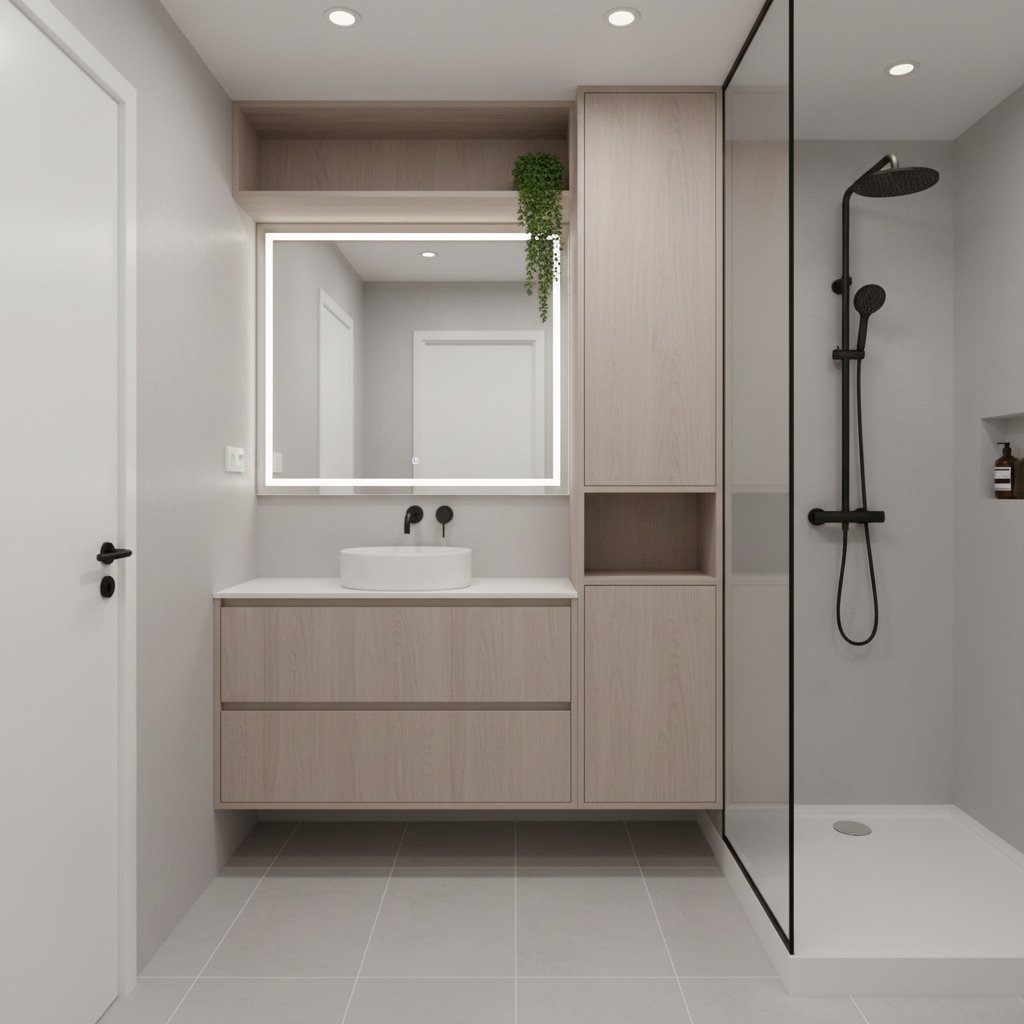
Picture this: you flip the switch, warm water rushes in, and every tile, faucet, and jet seems to know exactly how you like to start the day. That’s the power of a well‑planned shower, and it’s not a pipe‑dream for Anderson homeowners.
But getting from “just another bathroom” to “show‑stopper sanctuary” takes more than good taste. It demands a clear, no‑nonsense checklist that covers everything from water pressure quirks in the Upstate to the latest low‑flow tech that saves you cash without sacrificing comfort.
Ready to walk through the exact steps that turn a plain remodel into a daily retreat? Let’s dive in and make sure your new shower checks every box.
Assessing Existing Plumbing, Water Pressure, and Drainage in Anderson
Why a Baseline Matters
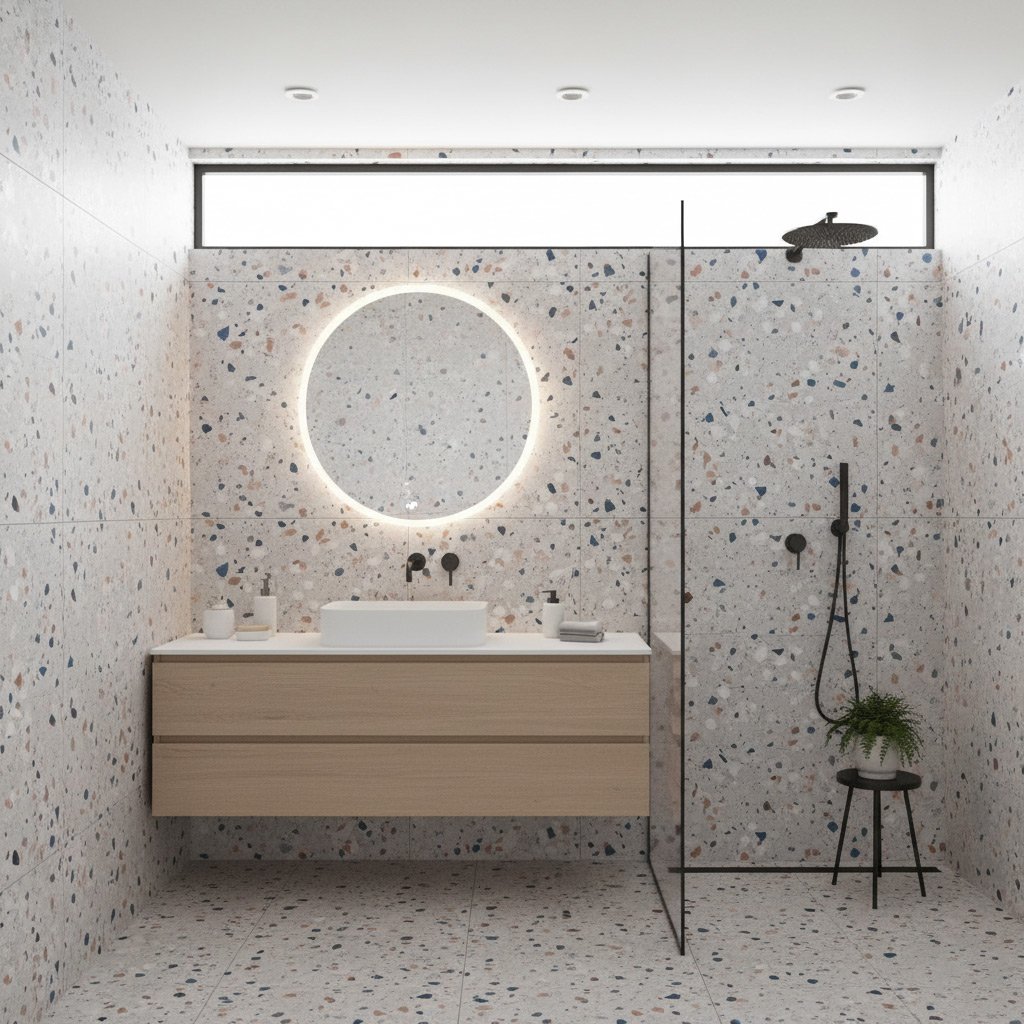
Before you pick a rain‑shower or a sleek linear drain, you need to know what’s already under the floorboards. A quick visual audit can save you weeks of re‑work and a few thousand dollars. Look for corroded copper, rust‑stained joints, and any signs of leaks that might have been hidden by tile.
Testing Water Pressure the Easy Way
Grab a simple pressure gauge from any hardware store and attach it to the nearest faucet. Turn the water on full blast; you should see 45‑60 psi in most Upstate homes. Anything below 40 psi means you’ll need a booster pump or a pressure‑regulating valve before you install a high‑flow showerhead.
- Check both hot and cold lines – mismatched pressure can cause uneven spray.
- Record the reading at different times of day – peak usage can drop pressure dramatically.
- Listen for hissing or rattling; those noises often signal a failing valve.
Drainage: Slope, Trap, and Vent Checks
A shower drain that clogs within days is a red flag. Verify the floor slope is at least 1/4 inch per foot toward the drain; a flat floor will keep water pooling. Inspect the P‑trap for cracks and make sure the vent pipe isn’t blocked – a blocked vent can cause slow draining and gurgling noises.
Selecting the Ideal Shower Type, Configuration, and Spatial Layout
First, decide what kind of shower fits your lifestyle. Do you crave a quick rinse, a spa‑like steam session, or a family‑friendly walk‑in? Your answer will steer the whole design.
Shower Types to Consider
- Walk‑in (curbless) – perfect for accessibility and a sleek look.
- Tub‑shower combo – saves space and lets kids share the same area.
- Steam or rain‑head shower – adds a touch of luxury without a full remodel.
- Linear‑drain shower – modern aesthetic and easier water evacuation.
Next, think about how the water will be delivered. One head is simple; multiple jets create a massage effect. A handheld wand adds flexibility for pets or kids.
Configuration Choices
- Single ceiling‑mounted rain head for a rain‑like experience.
- Dual‑jet wall mount for targeted pressure.
- Integrated body sprays for a full‑body rinse.
- Thermostatic valve – keeps the temperature steady, no surprise cold blasts.
Finally, map the space. Keep at least 30‑inches of clear floor in front of the controls, and allow a 36‑inch width for a comfortable walk‑in. If you’re adding a door, check swing direction so it doesn’t clash with the vanity or towel rack.
Choosing Fixtures, Controls, and Low‑Flow Technologies for Efficiency
Pick the right showerhead
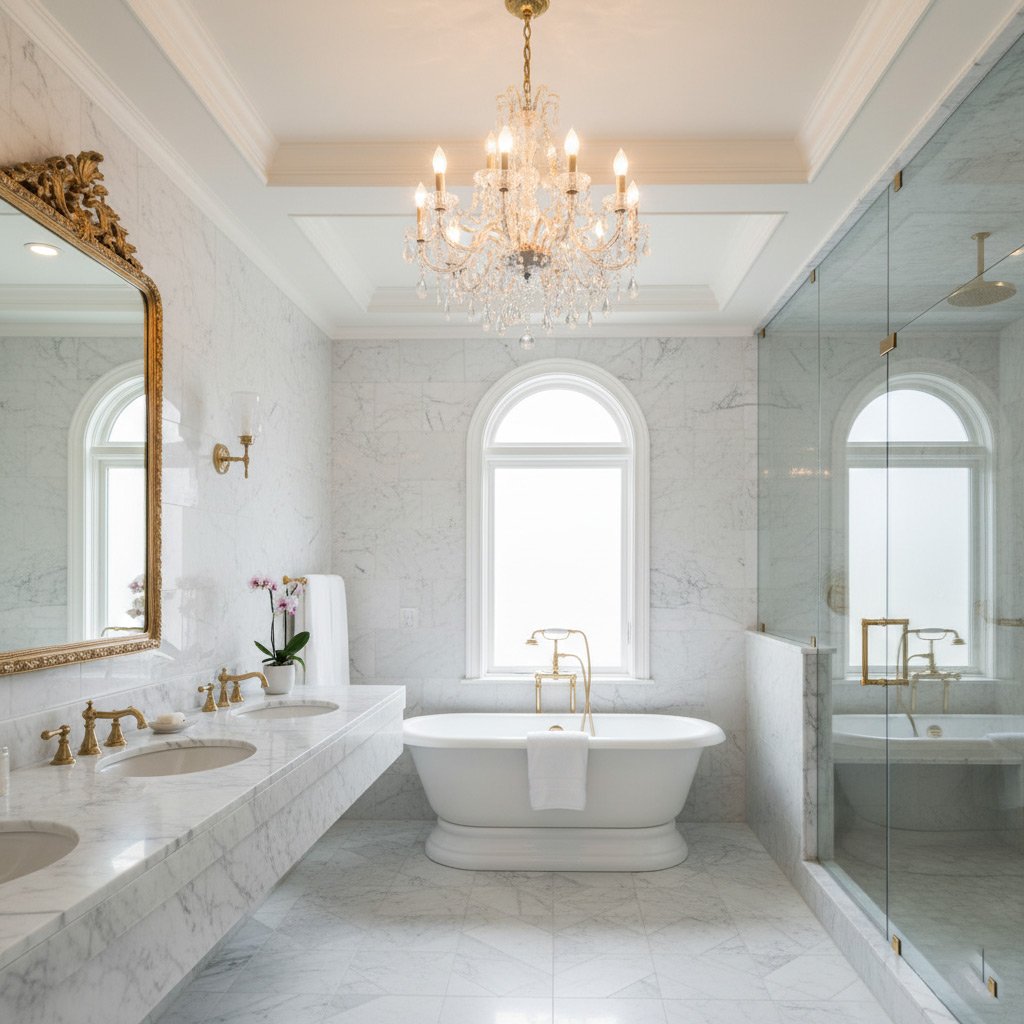
Not all showerheads are created equal. A rainfall head gives you that spa‑like cascade, while a handheld model adds flexibility for kids and pets. Look for the WaterSense label – it guarantees at least a 20% reduction in water use without sacrificing pressure.
Smart controls that actually work
Digital thermostatic valves let you lock in your perfect temperature before you step in. Some models even remember your favorite setting and start the water at the exact moment you turn the knob. Pair them with a Bluetooth‑enabled flow meter and you’ll see real‑time usage on your phone.
- Thermostatic valve – prevents sudden hot‑cold shocks.
- LED temperature indicator – visual cue for the right heat.
- Voice‑activated faucet – compatible with Alexa or Google Home.
Low‑flow tech that doesn’t feel cheap
Modern low‑flow fixtures use aerodynamic design to keep the spray feeling full. A 2.0 gpm (gallons per minute) showerhead can feel just as powerful as an older 2.5 gpm model. Add a flow‑restrictor to older fixtures and you’ll shave off gallons without a noticeable dip in performance.
Don’t forget the hidden heroes: shower valves with built‑in pressure‑balancing and anti‑scale cartridges. They protect your system from mineral buildup common in the Upstate, extending the life of every component you install.
Materials, Tile Patterns, and Waterproofing Strategies Suited to the Upstate Climate
Anderson’s summers can be humid, while winters bring a chill that sneaks into every crack. Choose materials that breathe yet stay tough: porcelain tiles resist moisture, natural stone adds warmth, and high‑density cement board won’t warp when the temperature swings.
- Porcelain – low porosity, easy to clean.
- Slate or travertine – natural slip resistance.
- Glass mosaics – great for accent walls, but seal them well.
Tile Patterns That Play Nice With Space
Big tiles make a small shower feel larger; small mosaics add texture without crowding. Think about the eye‑flow: a diagonal layout can stretch a cramped nook, while a straight stack keeps the look crisp.
- 12×12 or larger – fewer grout lines, quicker install.
- Subway pattern – classic, easy to match.
- Chevron or herringbone – adds drama, but watch for extra cuts.
Waterproofing That Holds Up When Rain Hits the Roof
Even the best tile will fail if water finds a way out. Start with a liquid‑applied membrane that seals every seam, then add a drain‑ready slope of at least 1/4 inch per foot toward the outlet.
- Apply membrane in two coats, let each cure fully.
- Use a waterproof backer board, not just drywall.
- Seal corners with a flexible caulk that moves with the house.
Budget Planning, Permits, and Hiring Trusted Local Contractors
Set a realistic budget – and stick to it
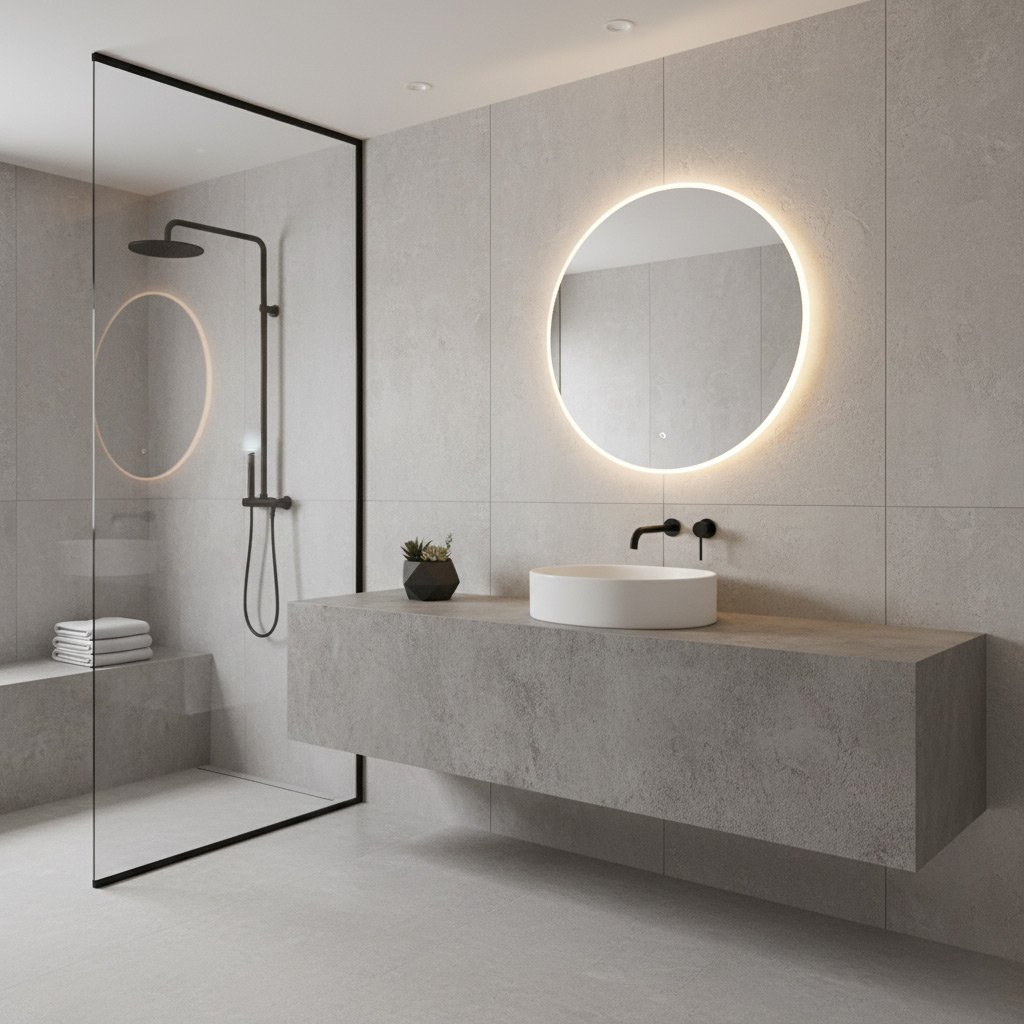
Start with a hard ceiling, then add a 10‑15% cushion for surprise expenses like extra framing or unexpected water‑line work. Don’t forget the “soft costs” – design fees, permit fees, and disposal charges can chew up 20% of your total spend.
- Fixture & tile selection: 30‑40% of budget
- Labor & contractor markup: 35‑45%
- Permits & inspections: 5‑10%
- Contingency fund: 10‑15%
Permits: the paperwork that keeps you from a costly redo
Anderson requires a plumbing permit for any new shower drain or supply line, plus a mechanical permit if you’re adding a ventilation fan. Apply early – the city’s online portal can take 3‑5 business days, but plan for an extra week in case revisions are needed.
Typical documents you’ll need:
- Detailed layout drawing (showing shower footprint, drain location, and vent)
- Rough‑in plumbing plan signed by a licensed plumber
- Proof of insurance for the contractor
Hiring the right contractor – your safety net
Don’t settle for the first quote that lands in your inbox. A solid local pro will have a portfolio of Anderson projects, a current South Carolina contractor’s license, and at least three recent references you can actually call.
Ask these three questions before you sign:
- What’s your warranty on workmanship?
- How do you handle change orders and cost overruns?
- Can you provide a detailed, line‑item estimate?
When the answers are clear and the numbers line up, you’ve found a partner who’ll keep the project on time, on budget, and on the right side of the code.
Case Study: From Outdated Bath to Spa‑Quality Shower – A Real Anderson Remodel Success
The Starting Point
When the Martins stepped into their 1998 bathroom, the tile was cracked, the showerhead sputtered, and the space felt cramped. They wanted a spa‑like experience without moving the house. A quick walkthrough revealed low water pressure and a dated drain layout that would need a complete overhaul.
The Transformation Blueprint
We mapped out a three‑phase plan that kept the project under $22,000 and on schedule. The key moves were:
- Re‑pipe the supply lines to boost pressure and prevent future leaks.
- Install a linear rain‑shower head paired with a handheld sprayer for flexibility.
- Lay a slip‑resistant porcelain tile in a herringbone pattern that channels water away.
- Apply a waterproof membrane rated for the Upstate’s humidity spikes.
All work was done by a licensed Anderson contractor who knew the local code inside out. The crew finished in just 12 days, thanks to prefabricated shower panels that cut on‑site labor.
Results That Speak for Themselves
The Martins now start each morning with a warm cascade that feels like a resort. Their water bill dropped 15% thanks to the low‑flow fixtures, and the home’s resale value jumped an estimated $18,000. “It’s like we bought a new house,” they told us, smiling as they stepped out of the glass enclosure.
Final Words
Don’t let your new shower become a “set‑and‑forget” project. A quick 15‑minute check after each use—look for drips, listen for odd sounds, and wipe down glass—keeps tiny issues from turning into costly repairs.
Stay Ahead of the Curve
Schedule a professional inspection once a year. A licensed plumber can verify water pressure, confirm that the drain slope is still optimal, and catch early wear on seals before they leak.
Leverage Local Expertise
Anderson’s building department has specific codes for waterproofing and venting. Working with a contractor who knows the Upstate climate means you’ll get the right membrane, the right tile grout, and the right permit without a back‑and‑forth nightmare.
- Keep a maintenance log—date, issue, action taken.
- Set a reminder for a New Showers audit before the rainy season.
- Ask your installer about a warranty that covers both fixtures and waterproofing.
People Also Ask
What should I check about my existing plumbing before installing a new shower in Anderson?
Inspect pipe material, age, and any signs of corrosion or leaks. Verify water pressure meets the shower’s requirements, and ensure the drain slope is adequate for proper flow.Which shower configurations work best for small bathrooms in the Upstate?
Corner or linear‑track showers maximize space, while a curbless walk‑in design adds accessibility. Choose a compact rainhead or handheld combo to keep the footprint minimal.How can I make my new shower more water‑efficient?
Select low‑flow fixtures such as a 2.0 gpm showerhead and thermostatic valves with flow‑control settings. Pair them with a water‑saving pump or pressure‑balancing system to maintain performance.Do I need a permit for a shower remodel in Anderson, SC?
Yes, most structural or plumbing changes require a city permit. Contact the Anderson Building Department early to avoid delays and ensure code compliance.What waterproofing methods are recommended for the Upstate climate?
Use a cementitious waterproofing membrane and a drainage plane behind tile to combat humidity. Seal all joints with a high‑quality silicone and install a vapor‑retardant backer board for added protection.
Anderson Bathroom Remodel brings over 15 years of specialized bathroom renovation expertise to homeowners throughout Anderson, South Carolina. Their team combines skilled craftsmanship with a deep understanding of local design trends to deliver functional, stylish spaces. Committed to personalized service, they guide each project from concept to completion with clear communication and reliable timelines.
Need Bathroom Remodel?
We transform bathrooms in Anderson, SC and surrounding ZIPs (29621, 29624, 29634, 29678, 29640), delivering high‑quality remodels completed on schedule. Expect a refreshed space ready for everyday use without delay.
Get Bathroom Estimate