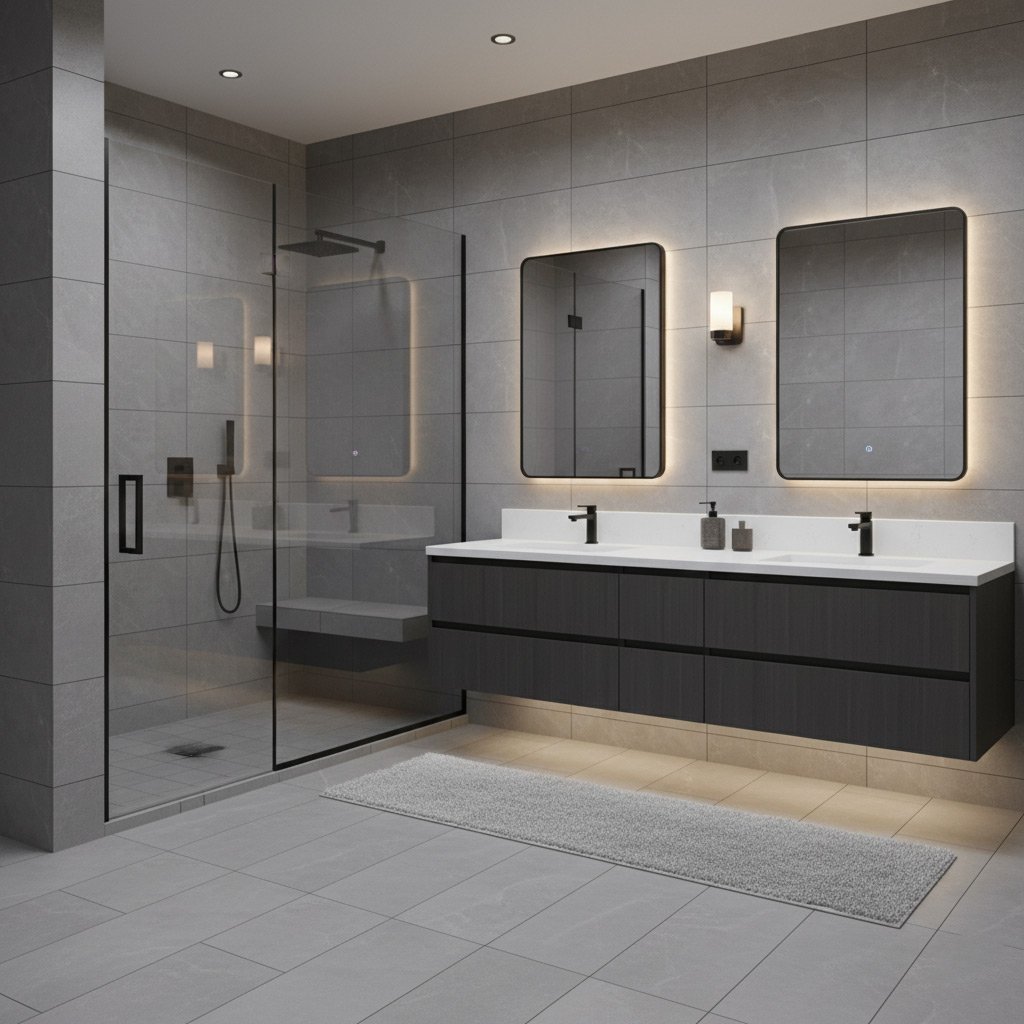
Picture this: you’re slipping into a tub after a grueling workday, the water wrapping around you like a soft blanket, and every muscle in your body sighs in relief.
That feeling is why many homeowners in Anderson start eyeing their sleek glass showers and wonder if a tub would bring back that soothing ritual. It’s not just about luxury; it’s about comfort, safety, and even boosting your home’s appeal.
In a town where retirees mingle with growing families, the decision to swap a shower for a tub can hinge on everything from aging in place to the resale market’s appetite for classic bathroom fixtures. Add the Southern humidity and you’ve got a recipe that makes the right timing crucial.
If you’re curious whether the stars have aligned for a conversion in your own bathroom, keep reading to spot the tell‑tale signs that say it’s time to make the switch.
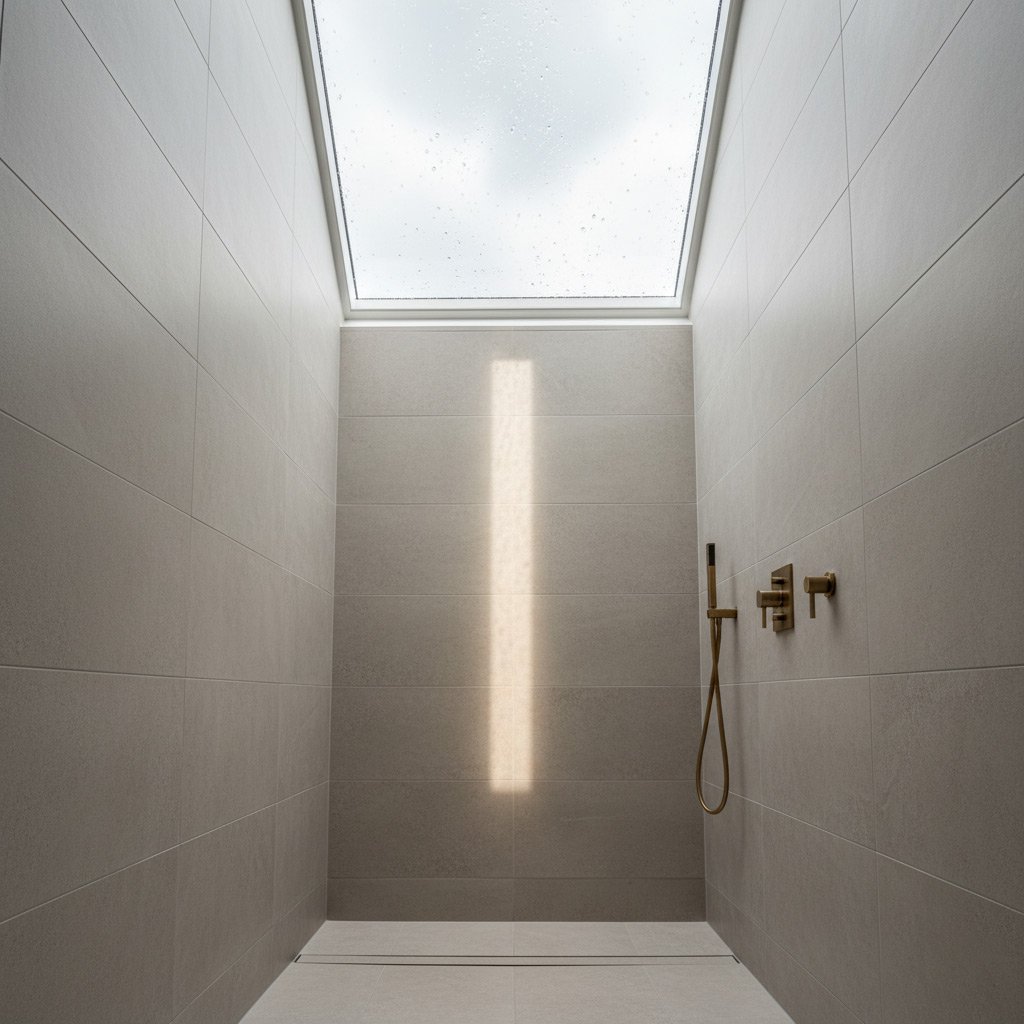
Assessing Your Current Bathroom Layout and Space Constraints
First thing you do when you walk into the bathroom is take a mental snapshot. Where does the door open? How far does the vanity stretch? Those details tell you whether a tub will fit without turning the room into a cramped closet.
Key Measurements to Grab Before You Dream
- Door swing clearance – at least 30 inches of free space.
- Shower enclosure width and depth – note the actual interior, not the advertised size.
- Distance from existing plumbing stack to the wall where the tub will sit.
- Floor-to-ceiling height – a standard tub needs about 32 inches of headroom.
Once you have those numbers, compare them to a typical tub footprint (60 × 32 inches). If the room falls short, you’ll need to think about moving the vanity or trimming the door. It’s a simple math check that saves you weeks of re‑work later.
Evaluating Lifestyle Needs and Accessibility Considerations
First, think about who actually uses the bathroom. If grandparents or kids share the space, a tub can be a game‑changer for safety and comfort. A deeper basin lets you soak without bending, which eases strain on knees and back.
Key lifestyle triggers
- Age‑in‑place plans – a tub with grab bars reduces fall risk.
- Family with toddlers – a tub makes bath time less chaotic.
- Fitness enthusiasts – a tub doubles as a post‑workout recovery spot.
Next, assess accessibility. A low‑threshold tub eliminates the “step‑in” barrier that trips many people. Pair it with slip‑resistant flooring and handheld showerheads for a truly senior‑friendly setup.
Don’t forget daily routines. If you love long soaks after a long shift at the mill, a tub adds that ritual back into your life. If you’re always in a hurry, a walk‑in tub with a quick‑drain system can keep the pace you need.
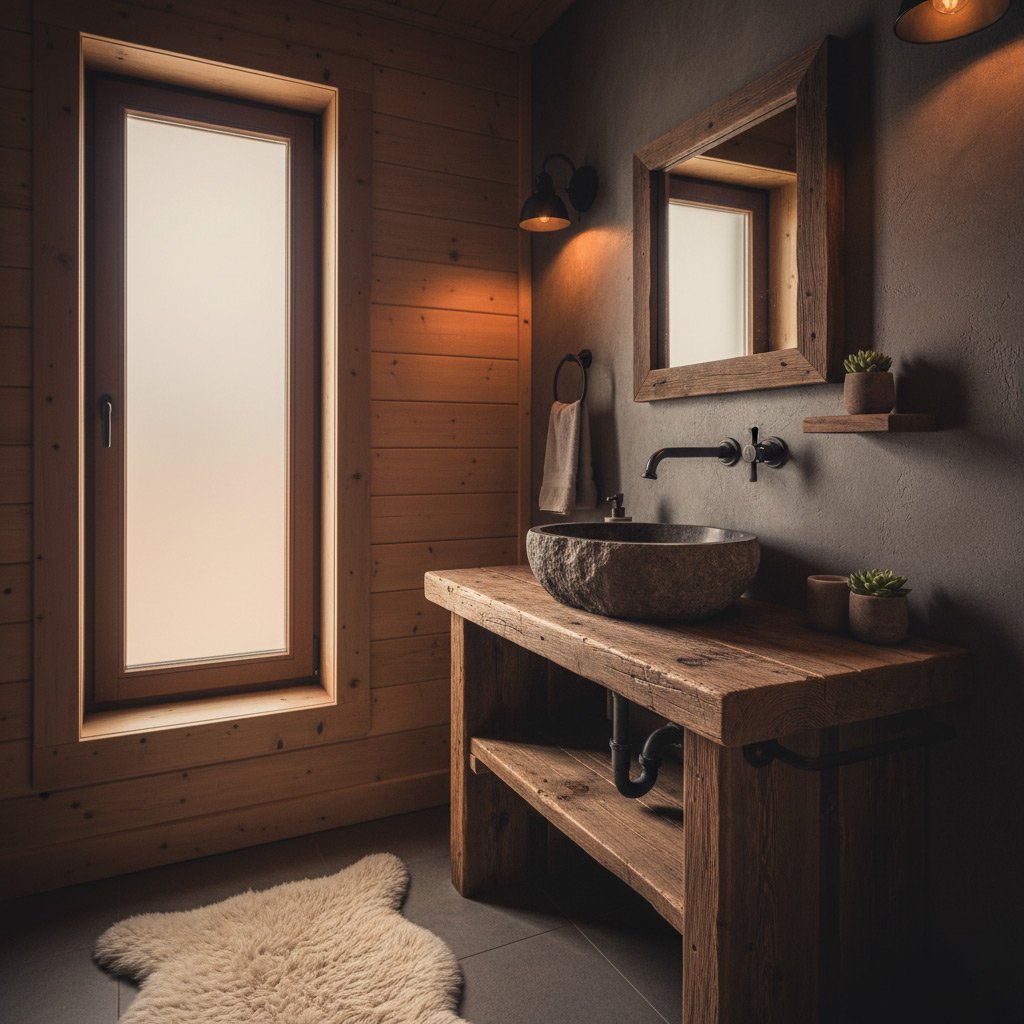
Understanding Local Building Codes and Permitting Requirements in Anderson, SC
Why permits aren’t optional
Anderson’s Building Department treats a shower‑to‑tub swap like any other structural change—no shortcuts. Skipping the paperwork can lead to fines, failed inspections, or even having to rip out the work. A proper permit guarantees the new tub meets safety standards and protects your resale value.
What the code actually says
Before you lift a tile, check the checklist that the city uses for bathroom remodels. The most common checkpoints include:
- Plumbing: Proper venting, trap size, and water‑supply line diameter.
- Electrical: GFCI outlets within six feet of the tub, and any new lighting must be rated for wet locations.
- Structural: If you’re moving a load‑bearing wall, you’ll need a structural engineer’s stamp.
- Accessibility: Minimum 30‑inch clear floor space if the tub is meant for senior use.
How to get the green light
Start with a detailed floor plan that shows the new tub footprint, drain location, and any fixture changes. Submit the plan to the Anderson Building Department, pay the modest fee (usually under $150), and schedule a pre‑inspection if you want to catch issues early. Once approved, you’ll receive a permit that must stay visible on the job site until the final inspection signs off.
Cost Analysis: Budgeting for a Shower‑to‑Tub Conversion
Before you hand over a check, you need a clear picture of where every dollar goes. A typical conversion in Anderson can range from a modest DIY job to a full‑service remodel, and the price tag reflects that spread.
Major Cost Drivers
- Plumbing re‑work – moving drain lines, adding a new overflow, and possibly upgrading water pressure.
- Fixture selection – a basic acrylic tub versus a freestanding cast‑iron model can double the material cost.
- Demolition and disposal – tearing out tile, drywall, and the old shower pan isn’t free.
- Finishing touches – new tile, waterproofing membrane, and trim work add polish and price.
Don’t forget the hidden expenses that pop up once the walls are open. Permits in Anderson typically run $150‑$300, and a licensed plumber may charge a call‑out fee plus hourly labor. If you need to raise the floor or reinforce the joists, those structural tweaks can add a few thousand dollars.
On the upside, a well‑executed tub conversion can boost resale value, especially in neighborhoods where families and retirees appreciate a classic bathtub. Many homeowners recoup 60‑70% of the investment when they sell, making it a smart move if you plan to stay put for a while.
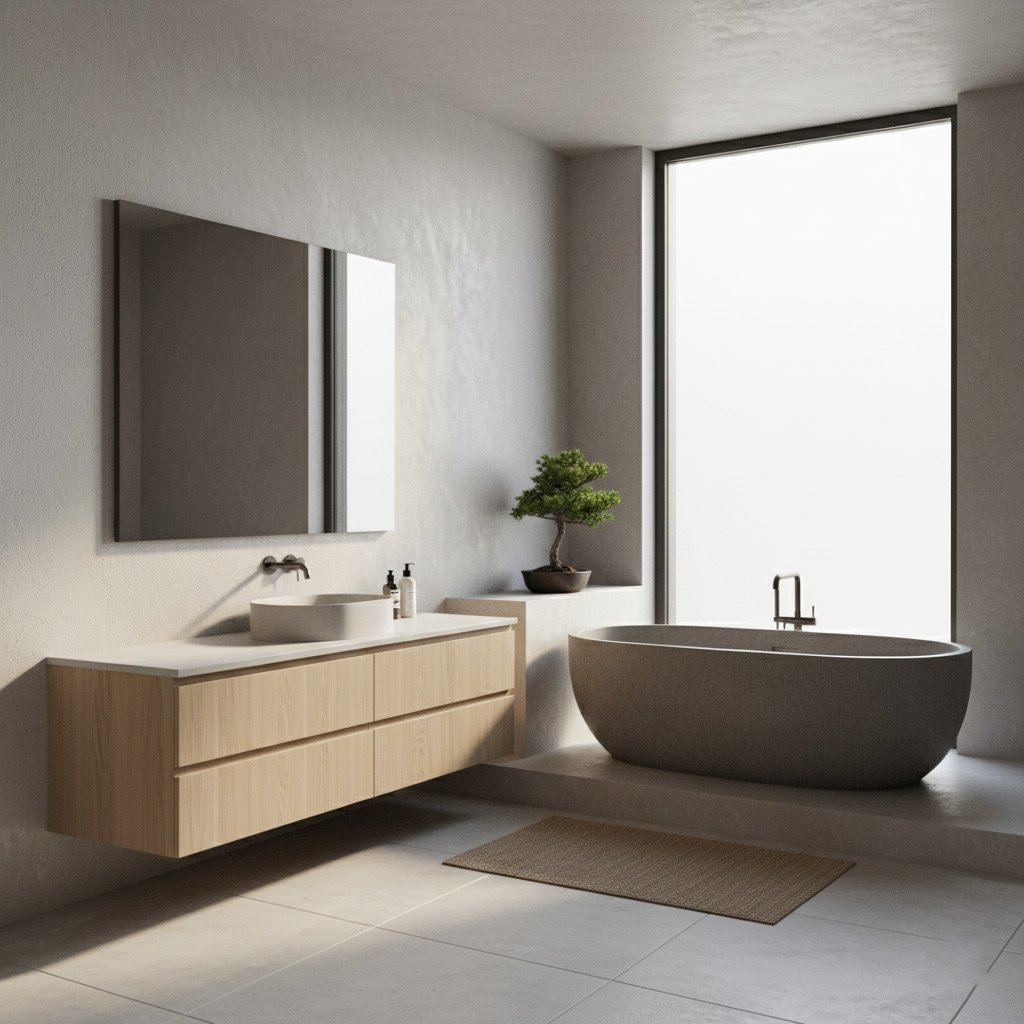
Choosing the Ideal Tub and Fixtures for Your Home
Material Matters
When you pick a tub, think about how it will hold up against Anderson’s humidity and occasional hard water. Acrylic feels light, warms quickly, and resists stains, while cast iron offers a classic heft and timeless look.
- Porcelain‑enamel: glossy finish, easy to clean, but can chip.
- Stone resin: mimics marble, stays cool, and hides minor scratches.
- Solid surface: seamless edges, low maintenance, and a modern vibe.
Fixture Fundamentals
Faucets and accessories set the tone for daily use and visual appeal. Choose a single‑handle valve for quick temperature tweaks, or a dual‑handle for a more traditional feel.
- Wall‑mounted vs. deck‑mounted: wall saves floor space; deck adds a solid anchor.
- Finish options: brushed nickel, oil‑rubbed bronze, or matte black for a bold statement.
- Water‑saving aerators: lower bills without sacrificing flow.
Fit for Your Space
Measure twice, buy once. A tub that’s too long will dominate a modest bathroom, while a compact model can feel cramped if you love a deep soak.
- Standard 60‑inch: fits most master baths, offers a comfortable soak.
- Half‑bath tub: 48‑inch length, perfect for smaller layouts.
- Freestanding: becomes a focal point, but needs clearance on all sides.
Case Study: Successful Shower‑to‑Tub Conversion in a Historic Anderson Residence
The Challenge
Mrs. and Mr. Whitaker live in a 1920s Craftsman home on Main Street. Their original bathroom featured a cramped glass shower that felt more like a prison than a retreat.
They needed a tub that honored the house’s vintage charm while meeting modern safety standards for Mr. Whitaker’s arthritis.
The Solution
We started by mapping the existing layout. The shower enclosure occupied 36 in² of floor space, leaving just enough room for a classic claw‑foot tub once the wall was shifted.
Key steps included:
- Removing the tile backer and salvaging original brick for a feature wall.
- Installing a reinforced floor slab to support the heavier tub.
- Choosing a slip‑resistant porcelain finish that blends with the period‑era palette.
All work complied with Anderson’s historic district guidelines, so the exterior remained untouched.
The Result
Within three weeks, the Whitakers were soaking in a tub that feels like a spa and looks like it belongs in their century‑old home.
They reported a 30% increase in bathroom usability, especially for nighttime baths, and their realtor says the upgrade adds noticeable resale value.
Final Thoughts
When the idea of a tub starts feeling like a necessity rather than a whim, it’s time to act. Don’t wait for the perfect moment—the perfect moment is now, especially if you’re juggling aging parents, kids who love splash time, or a resale market that favors classic charm.
Quick Decision Checklist
- Space check: Is there enough room for a standard 60‑inch tub without cramping the vanity?
- Safety first: Do you need grab bars or a low‑step entry?
- Budget reality: Have you accounted for plumbing reroute and finishing work?
- Code compliance: Does your county permit the change without a permit?
- Future resale: Would a tub boost appeal in your neighborhood?
If you answered “yes” to most of those, the conversion is a green light. Reach out to a local pro who knows Anderson’s quirks—humidity, historic homes, and all. A seasoned crew will keep the project on schedule, stay within code, and leave you with a tub that feels like a daily spa.
Ready to dive in? Explore more about Shower to Tub Conversions and see how a simple swap can transform your bathroom’s function and feel.
People Also Ask
What signs indicate it’s time to replace a shower with a tub in Anderson, SC?
If the shower is too small for family members, shows signs of water damage, or lacks accessibility features, it may be time to consider a tub conversion. Additionally, outdated fixtures or a desire for a more versatile bathing option can prompt the change.How do local building codes in Anderson affect a shower‑to‑tub conversion?
Anderson’s building codes require proper drainage, venting, and waterproofing for any tub installation. You’ll also need to meet minimum clearances and may need a permit before beginning the conversion.Is a tub conversion a good investment for older homes in Anderson?
Yes, especially for historic homes where adding a tub can increase resale value and improve functionality for aging occupants. A well‑executed conversion that respects the home’s character can also enhance its market appeal.What budget should homeowners expect for a shower‑to‑tub conversion in Anderson?
Typical costs range from $3,000 to $7,000, depending on tub type, plumbing modifications, and finish selections. Adding custom tile or premium fixtures can raise the price, while basic acrylic tubs keep costs lower.Can a tub be installed without major plumbing changes?
In many cases, a tub can be placed using existing drain and water lines if the layout permits. However, if the current shower’s plumbing is far from the desired tub location, additional work may be required.
Anderson Bathroom Remodel brings over 15 years of residential remodeling expertise to homeowners throughout Anderson, South Carolina. Their team combines skilled craftsmanship with a deep understanding of local design trends to deliver functional, stylish bathroom transformations. Committed to personalized service, they work closely with each client to ensure every project reflects the unique character of the community.
Need Bathroom Remodel?
We transform bathrooms in Anderson, SC and surrounding ZIPs (29621, 29624, 29634, 29678, 29640), delivering high‑quality remodels completed on schedule. Expect a refreshed space ready for everyday use without delay.
Get Bathroom Estimate